

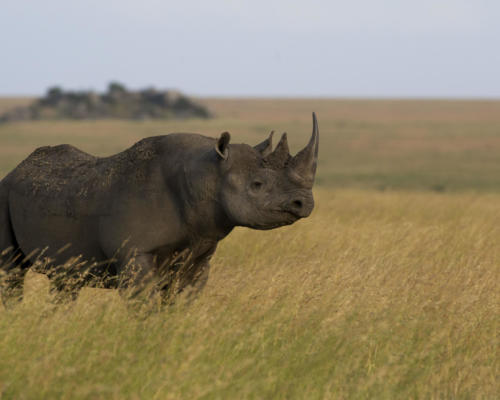

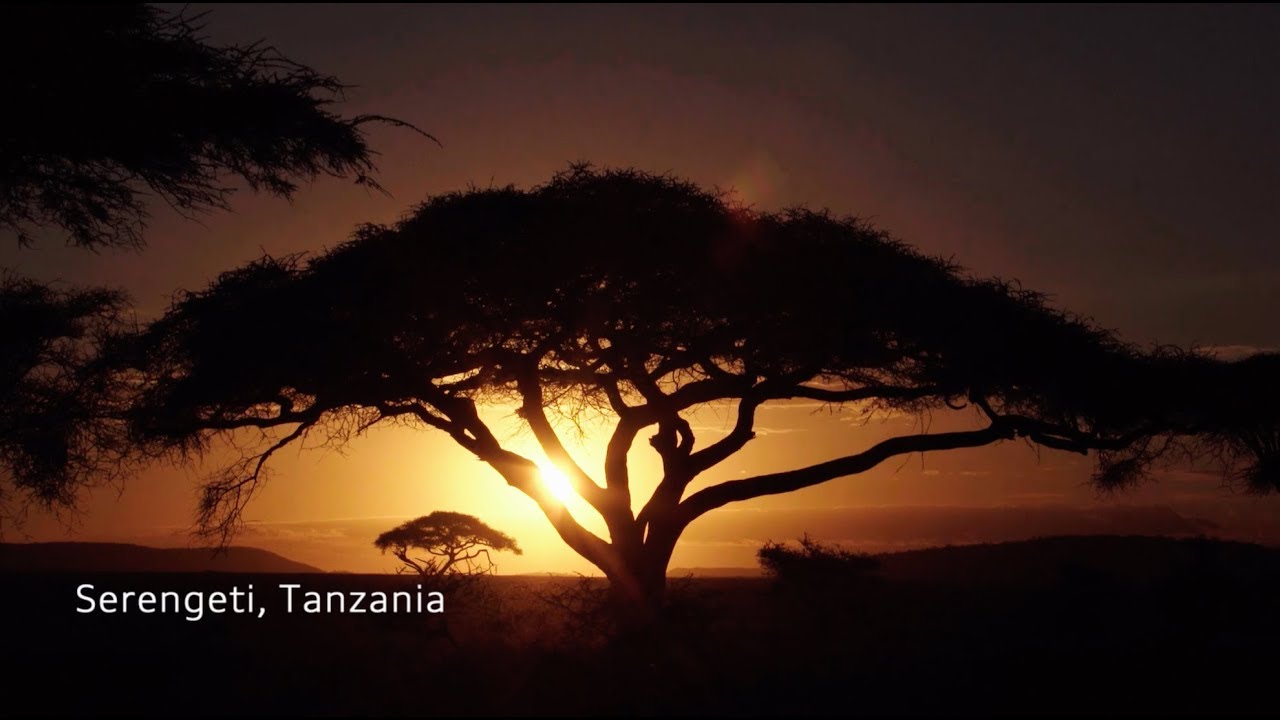
Seit 1981 ist der Serengeti-Nationalpark UNESCO-Welterbe – und wie kein anderer Nationalpark ist die Serengeti der Inbegriff des Tierparadieses. In der Tat hat die Serengeti auch heute noch das, was einstmals in weiten Teilen Ostafrikas zu finden war: eine intakte Savannenlandschaft mit fast allen einheimischen Arten. Darunter die imposanten großen Tiere wie Elefanten, Giraffen, Nashörner, viele Raubtierarten wie Leoparden, Löwen und Geparden und natürlich die unzähligen Huftiere. Die große Wanderung von rund zwei Millionen Gnus, Zebras und Thomson-Gazellen im Serengeti-Ökosystem ist die größte Huftierwanderung auf der Erde. Fast 1.000 Kilometer im Jahr legen die Tiere auf ihrer immerwährenden Suche nach Wasser und frischem Gras zurück. Diese „great migration“ definiert das 25.000 km2 große Serengeti-Ökosystem, dessen Herz der Nationalpark ist.
Die großen Ebenen der Serengeti plus das Ngorongoro-Hochland im Osten, die kenianische Maasai Mara im Norden und ein Waldgebiet, das im Westen bis zum Viktoriasee reicht, bilden das vielfältige und einzigartige Serengeti-Ökosystem.
Der mit einem Oscar ausgezeichnete Film „Serengeti darf nicht sterben“ von Bernhard und Michael Grzimek machte die Serengeti 1959 weltbekannt. Bis heute steht der Titel für unser Ziel und unsere Vision, das Serengeti-Ökosystem für kommende Generationen zu erhalten.
Quick Facts
- Projekt: Schutz des Serengeti-Nationalparks
- Fläche Serengeti-Nationalpark: 14.750 km²
- Programmleiter: Masegeri Rurai
- Projektbeginn: 1961
- Serengeti-Nationalpark
- Unsere Arbeit in der Serengeti
- Partner
- zurück nach oben

Mit dem Abspielen des Videos akzeptieren Sie die Datenschutzerklärung von YouTube.
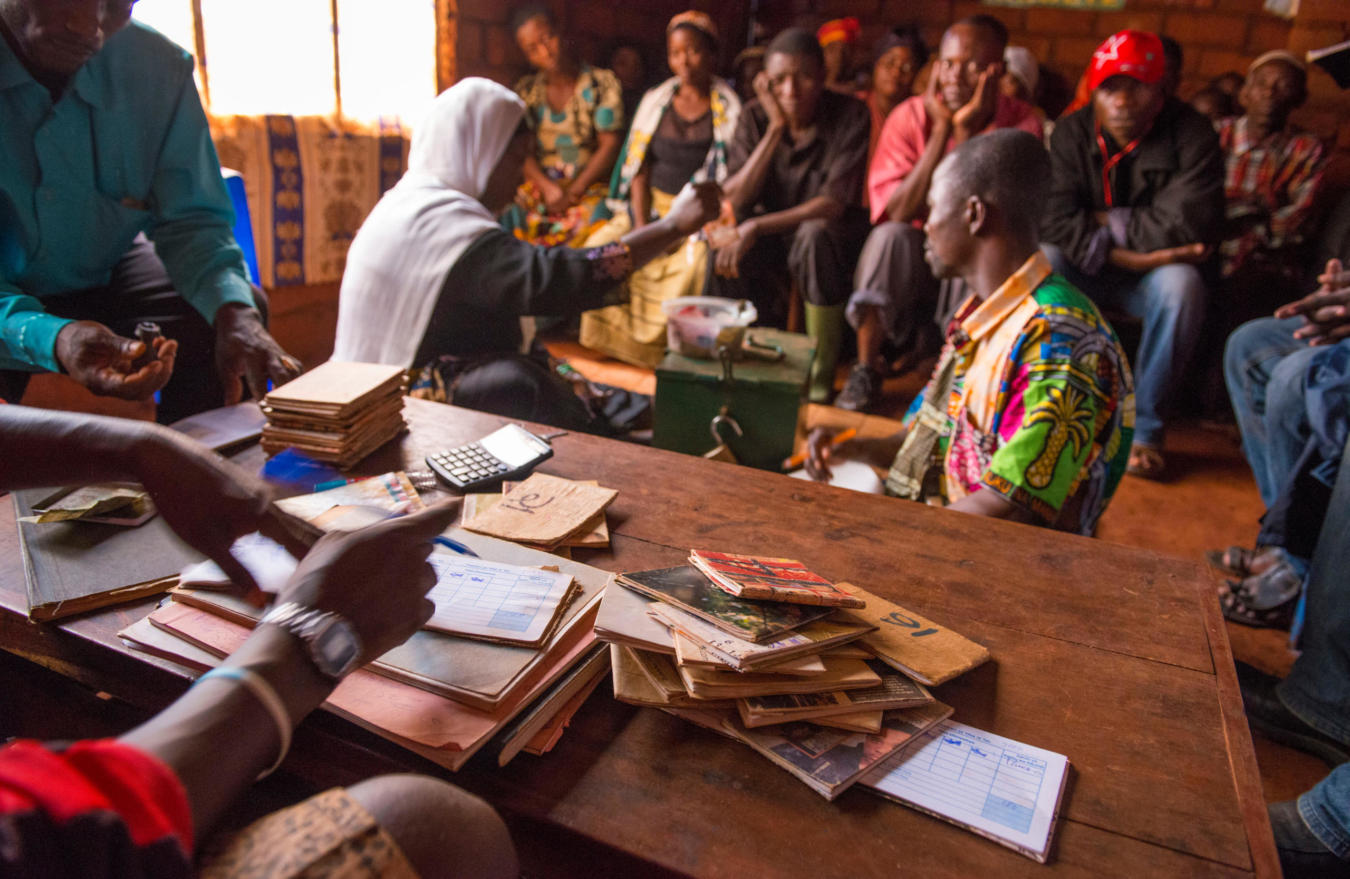
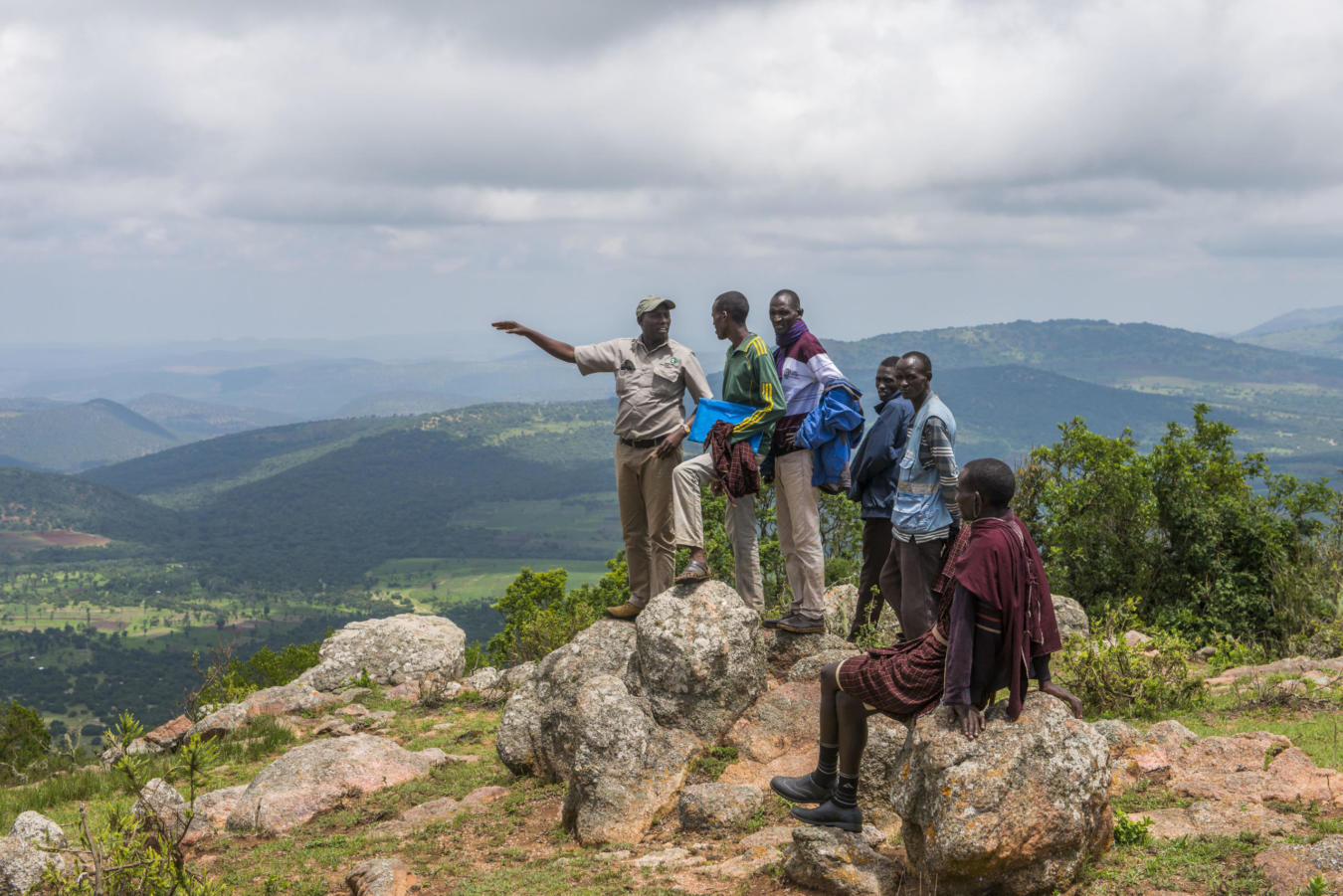
Erfolgreicher Naturschutz ist immer Teamarbeit. In allen Projekten arbeiten wir mit den nationalen Behörden, den zuständigen Schutzgebietsverwaltungen, nationalen Naturschutzorganisationen, Geberorganisationen und mit den örtlichen Gemeinden.
-
 Wildlife Division of the Ministry of Natural Resources and Tourism of Tanzania
 -
 Tanzania National Parks (TANAPA)
 -
 Ngorongoro Conservation Area Authority (NCAA)
 -
 Tanzania Wildlife Authority (TAWA)
 -
 Tanzania Wildlife Research Institute (TAWIRI)
 -
 Pasiansi Wildlife Training Institute
 -
 Mweka Wildlife College
 -
 The Wyss Foundation
 -
 Lion Recovery Fund
 -
 U.S. Fish & Wildlife Service
 -
 Rhino Recovery Fund
 -
JRS Biodiversity Fund
-
 KfW
KfW -
 Tanzania Association of Tour Operators (TATO)
 -
SENAPA Investors
-
Eleonore Beck Foundation
-
Friedkin Conservation Fund
-
Asilia Giving
-
Stadler Family Foundation
-
Manfred-Hermsen Stiftung
-
 The Wildcat Foundation
 -
 Save the Elephants
 -
 Elephant Crisis Fund
 -
 Tusk Trust
 -
 Stop Ivory
 -
 Save the Rhino
 -
 Dvůr Králové Safari Park
 -
World Nomads
-
 Zoo Frankfurt
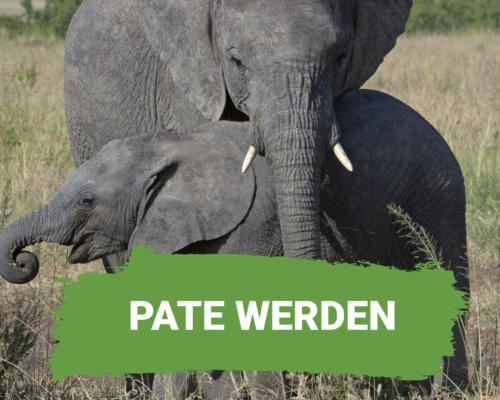
Elefanten und Nashörner, Löwen und Geparden, Gnus, Zebras und Giraffen – sie alle sollen auch in der Zukunft weiter durch die Savanne streifen. Die Serengeti zu schützen, bedeutet Wildtieren und Menschen eine Zukunft zu geben.
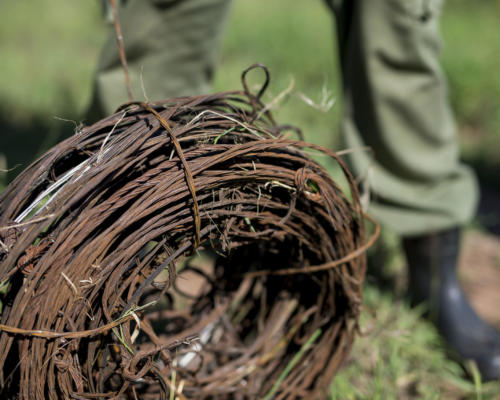
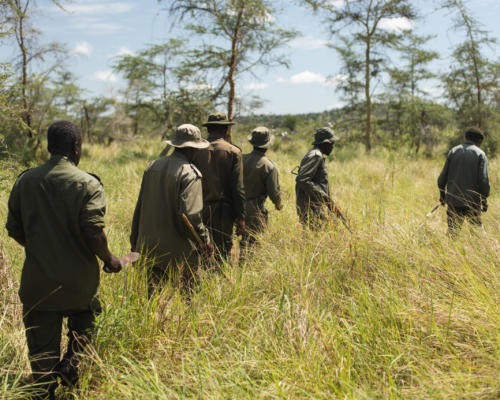
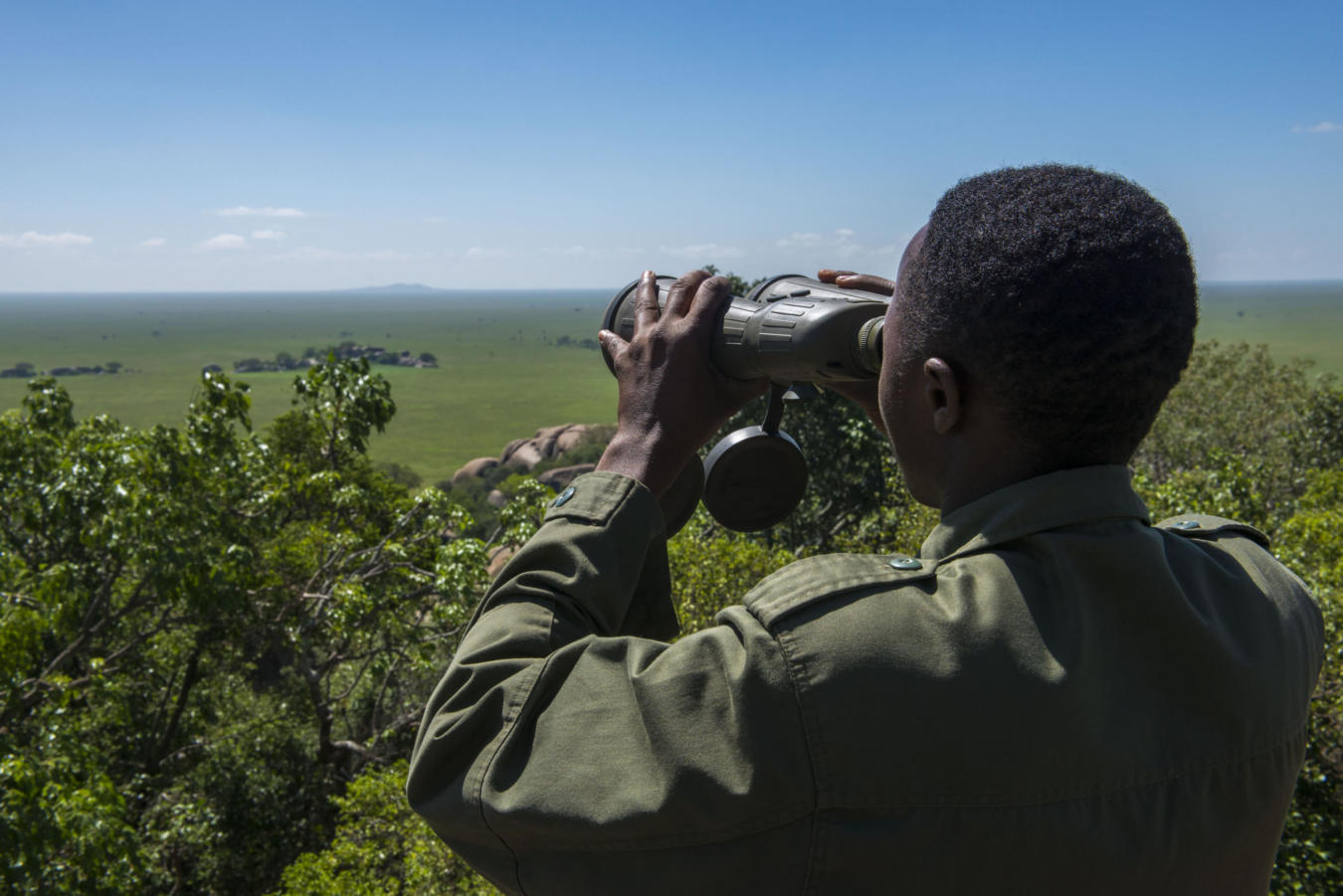
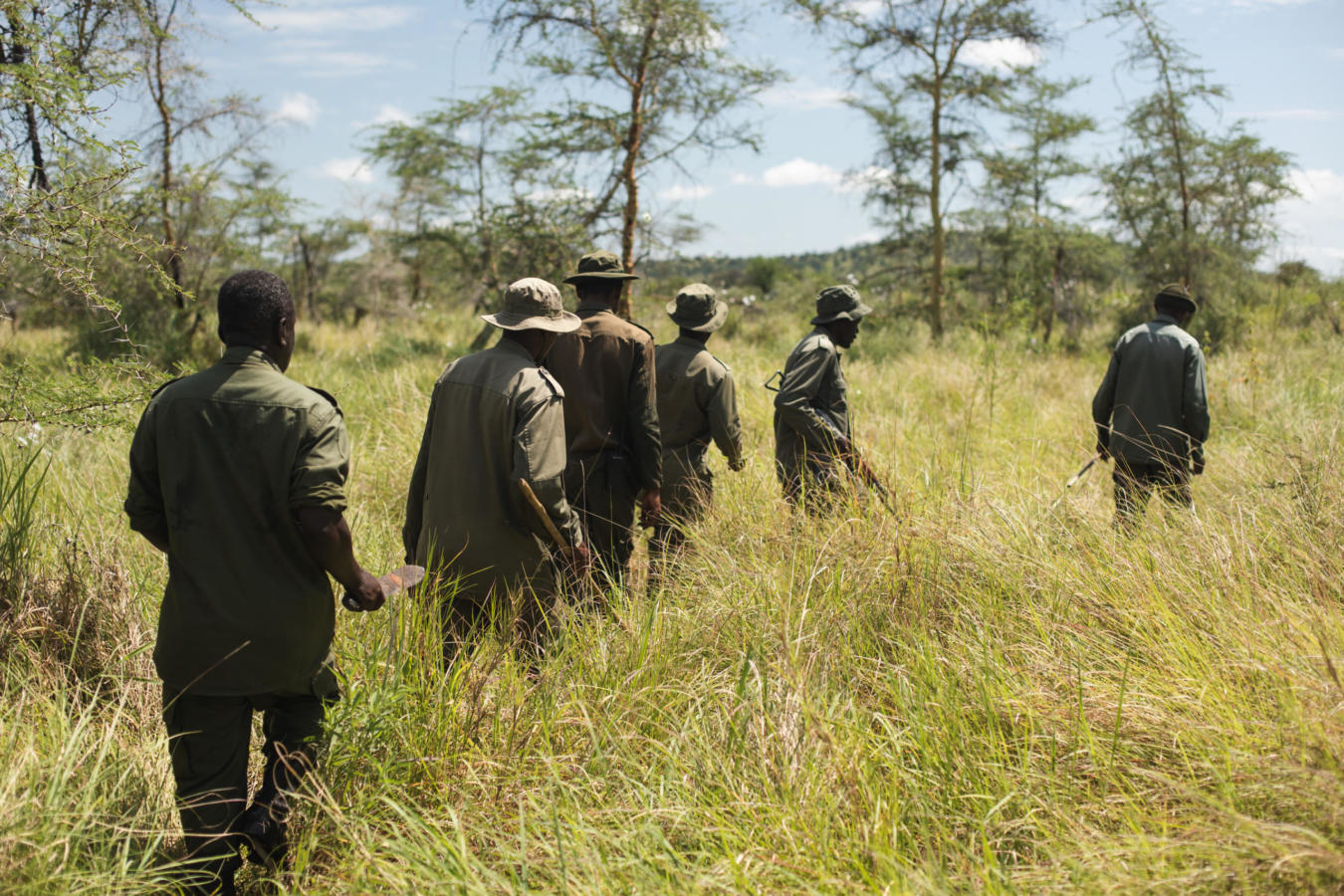
Versorgen Sie die Ranger in der Serengeti mit Proviant und Ausrüstung.